


What is a Separation Agreement?
A Separation Agreement is a written agreement between the separating parties. A Separation Agreement can be a great document for parties who are amicable, communicate effectively and want a document…

I am selling a property – what happens to my mortgage?
When you purchase a property using a home loan, your lender holds your property as security for the repayment of your loan. This mortgage will remain on your property and appear on title until it is…

The New Family Court of Australia
On 1 September 2021, the Federal Circuit Court and the Family Court of Australia officially merged, forming the Federal Circuit and Family Court of Australia. As a result, parties and legal…
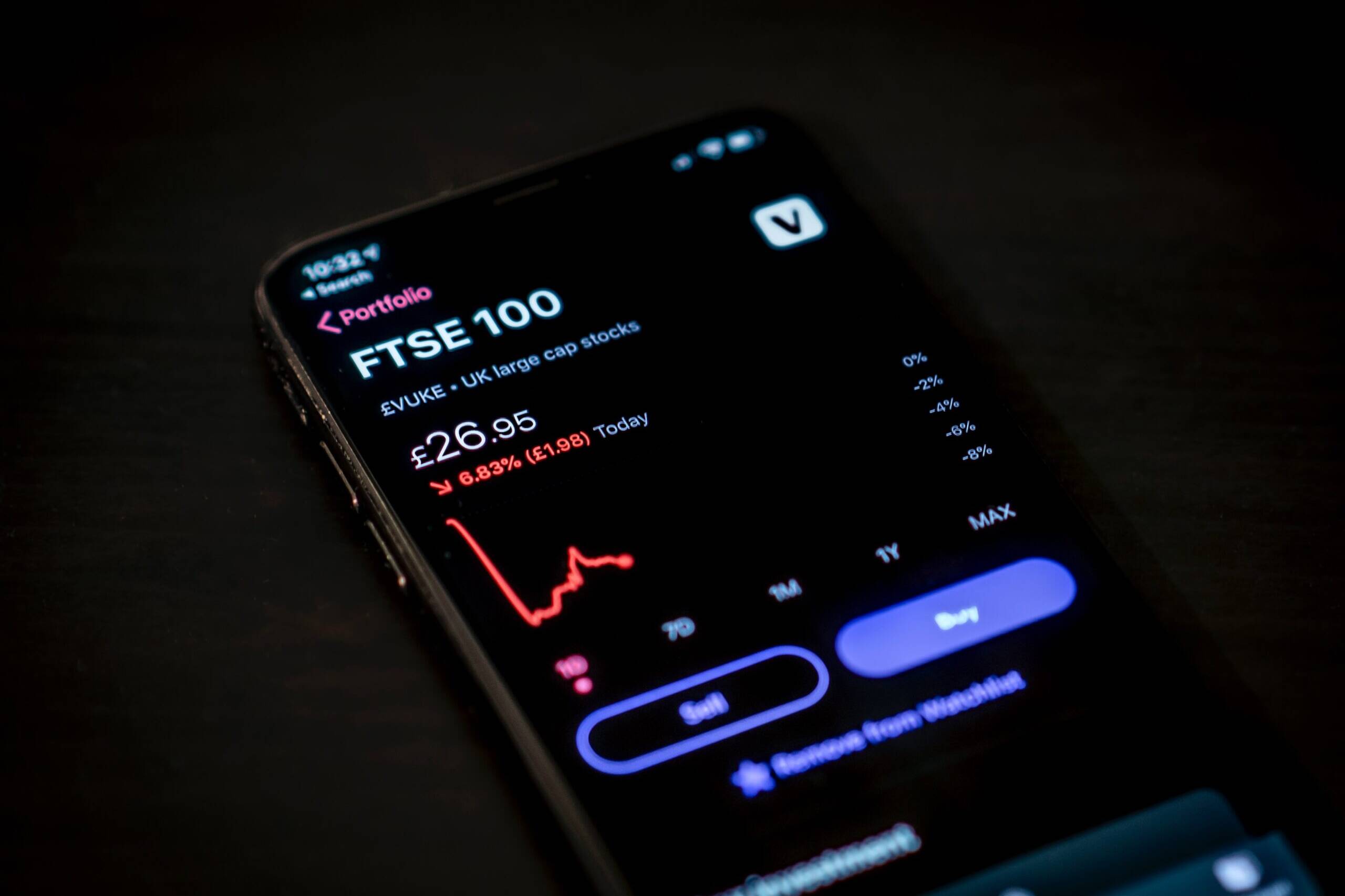
Deferring Tax On Shares Acquired Under An Employee Share Scheme
If you acquire an interest under an employee share scheme (ESS), you will be taxed (at your marginal rate of tax) on any ‘discount’ you receive at that time, unless you qualify to defer the taxing…

Can a Director be Insured or Indemnified by a Company?
A director of a company can be insured or indemnified against liabilities they may incur whilst acting as a director of the company. However, there are a number of restrictions that need to be…

What is a Director Identification Number?
All existing and future company directors are now required to apply for a Director Identification Number (DIN). A DIN is a unique number used to prevent the use of fraudulent director identities,…

Use it or Lose it: How to Remove a Trademark for Non-Use
Registered trademarks can be removed for non-use in the absence of a good faith intention of the trademark owner to use the trademark or a failure by the registered owner to use the trademark during…

Business Interruption Insurance Test Cases
Since the COVID-19 pandemic, there has been increased interest in the availability of business interruption insurance. ICA and AFCA supported two test cases in an effort to clarify the position for…

Not paying Super? Penalties are guaranteed.
An employer must pay an employee’s superannuation in accordance with their ordinary pay cycle or once a quarter. In the event that the employer does not pay superannuation, they may be liable for…